
Wedding Seating Chart: Method, Rules and Mistakes to Avoid
How to build a wedding seating chart that works: a step-by-step method, table formats, placement rules and the classic mistakes to avoid.
By the NUPLY editorial team2 min read
Contents, 5 sections
The seating chart is one of the last tasks of the wedding, and one of the most dreaded. Done well, it makes the evening flow and puts everyone at ease. Here is a simple method to build it without losing sleep over it, and the pitfalls that turn the exercise into a headache.
1. Wait for the right moment
There is no point starting too early: the seating chart depends on final RSVPs. Begin once most confirmations are in, generally within the month and a half before the wedding, at the corresponding stage of your planning timeline.
2. Choose the table format
- Round tables: convivial, everyone can see each other, easy to balance (8 to 10 people).
- Rectangular tables: elegant and modern, ideal for a strong visual effect.
- Head table or round couple's table: decide early, because it changes the whole layout.
The format also depends on your venue and the circulation space available.
3. The placement method
- Group guests by affinity (families, friends, colleagues), then mix things up just enough to create connections.
- Seat older guests away from the speakers, and children together or near their parents.
- Avoid the table of loners: spread isolated guests across welcoming groups.
- Keep known family tensions in mind and keep apart what needs to be kept apart.
4. The classic mistakes to avoid
- Starting before the final RSVPs and having to redo everything afterward.
- Trying to please everyone to the point of getting stuck: own your choices.
- Forgetting diets and specific needs in the placement (access, reduced mobility).
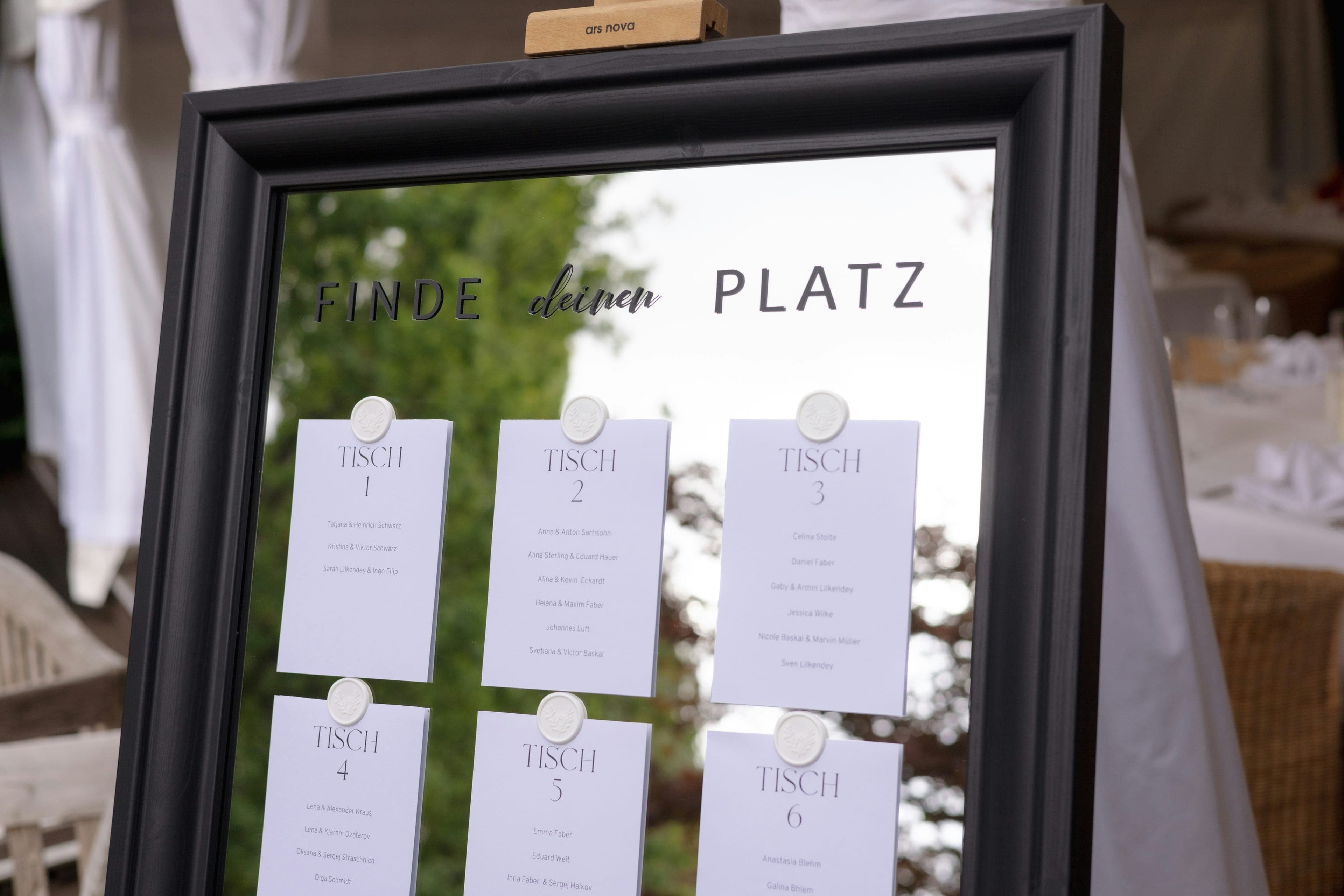
- Neglecting the signage: a clear welcome chart and place cards prevent a bottleneck at the entrance.
Building your seating chart with peace of mind
NUPLY lets you manage your guests, their RSVPs and your seating chart all in one place, and adjust it right up to the last minute. And to complete your team of vendors, use NUPLY matching.
Planning your wedding?
NUPLY brings your budget, guests and vendors together in one place. It's free for couples.
Read next
Planning & Budget
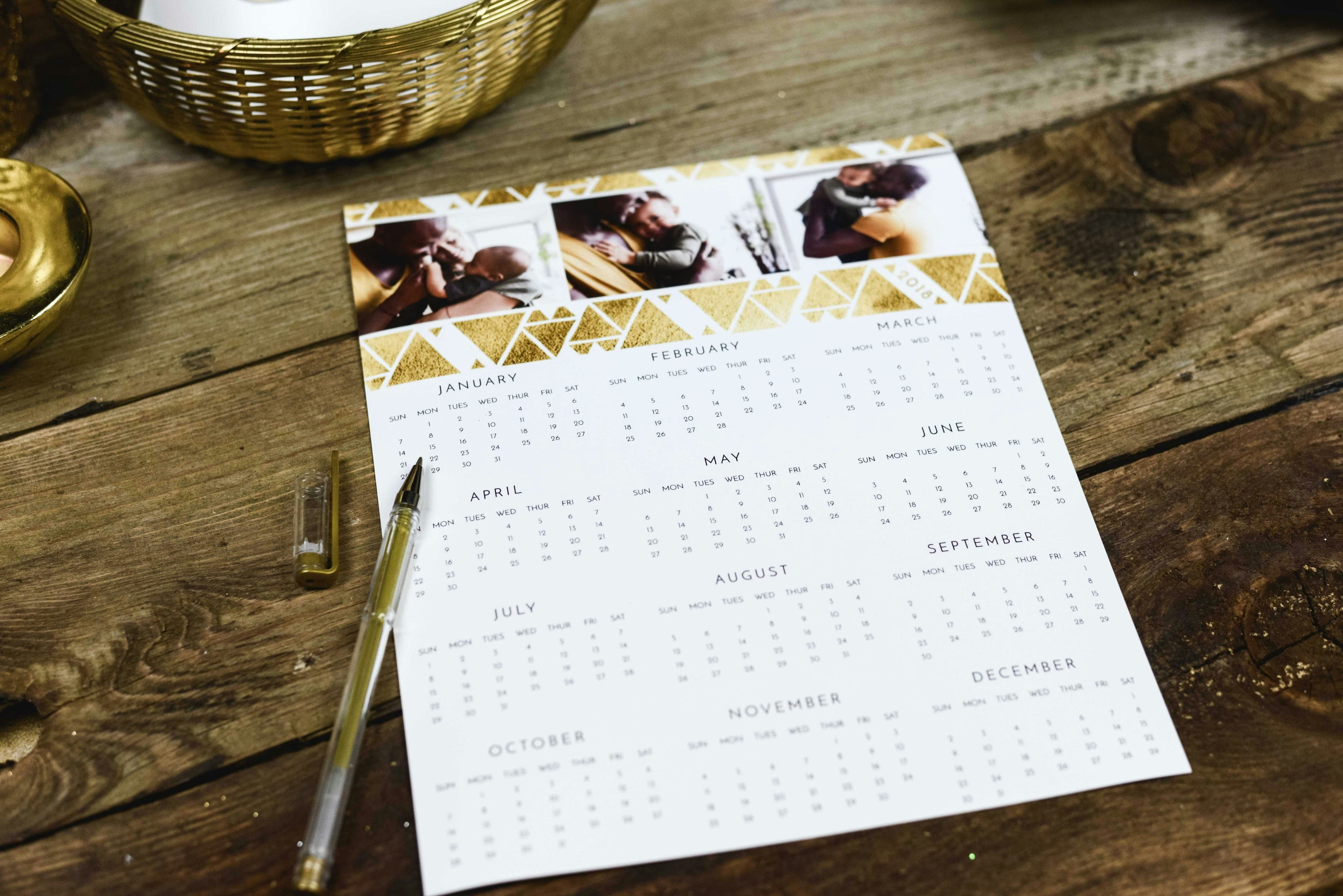
Wedding Planning Timeline: The Month-by-Month Countdown
The complete wedding planning timeline to organize your day without forgetting a thing: what to do at 12 months, 6 months, 1 month and during the week of the big day.
2 min read
Planning & Budget
The Ultimate Checklist So You Forget Nothing on the Big Day
From the eve of the wedding to the final hours of the party, here is everything you need to plan for so your day is perfect.
3 min read

Planning & Budget
How to Choose Your Wedding Reception Venue: The Complete Guide
Chateau, estate, hall or unusual venue: all our criteria for choosing your wedding reception venue, the right timing to book and the pitfalls to avoid.
3 min read