
Indian Wedding: A Guide to Traditions, Ceremonies and Organization in France
From the mehendi to the phera, discover the rituals of the Indian wedding (Hindu, Sikh, South Indian). Practical tips and specialized vendors with NUPLY.
By the NUPLY editorial team6 min read
Contents, 8 sections
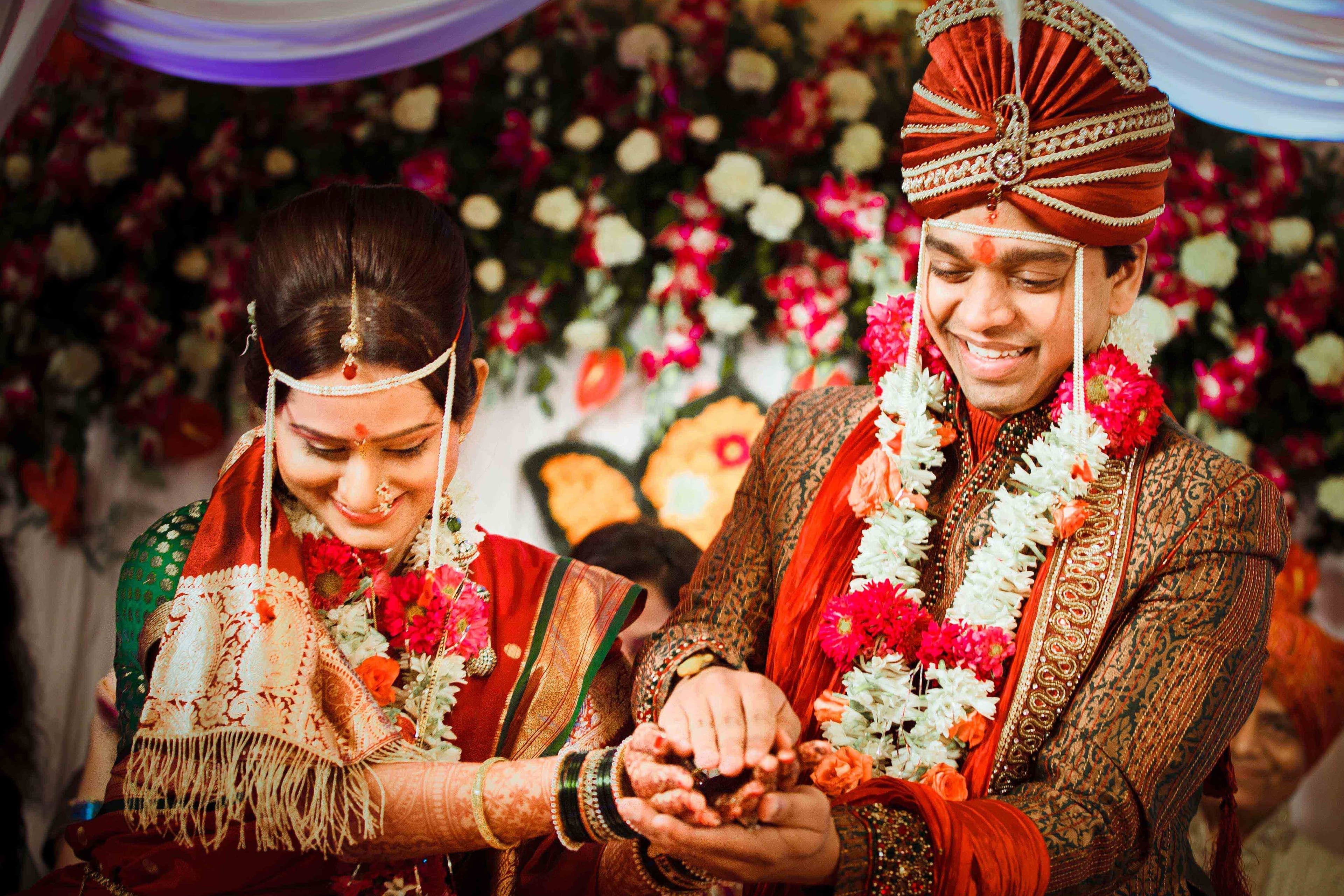
The Indian wedding is one of the richest, most colorful and most spectacular celebrations in the world. Often spanning several days, it blends sacred rituals, music, dance and sumptuous feasts. Whether you are of Indian heritage or simply wish to weave these traditions into your union in France, this guide walks you through every step.
1. The Foundations of the Hindu Wedding
In the Hindu tradition, marriage (vivah) is far more than a union between two people: it is a sacrament that binds two families and two souls. It rests on four fundamental pillars:
- Dharma: moral and spiritual duty. The couple commits to leading a virtuous life together
- Artha: material prosperity. The spouses work together to ensure the well-being of their home
- Kama: love and pleasure. The marriage celebrates the couple's physical and emotional union
- Moksha: spiritual liberation. The couple supports each other in their spiritual quest
The Hindu wedding is regarded as a sacred and indissoluble bond, blessed by the sacred fire (Agni) that serves as the divine witness to the union.
2. The Pre-Wedding Ceremonies
Roka and Sagai (engagement)
The Roka is the official commitment ceremony where the two families meet and accept the union. The Sagai (engagement) follows soon after: the families exchange gifts, dried fruits and sweets. The future spouses exchange rings, marking the official start of the preparations.
Mehendi (henna ceremony)
The Mehendi is one of the most eagerly awaited rituals. The bride-to-be has intricate henna patterns applied to her hands and feet. According to tradition, the darker the color of the henna, the more intense her future husband's love will be. It's a joyful celebration, accompanied by music and dance, bringing together the women of both families.
Sangeet (musical evening)
The Sangeet is a festive evening dedicated to music and dance. Family and friends prepare choreographies and performances to entertain the couple-to-be. It's often an occasion for lively Bollywood dances, traditional songs and shared moments of laughter.
Haldi (turmeric ceremony)
The Haldi ceremony takes place the day before the wedding. A paste of turmeric, sandalwood oil and rose water is applied to the face and body of the couple-to-be by family members. This ritual is meant to purify, beautify the skin and ward off the evil eye. It's an intimate and moving moment, often accompanied by singing.
3. The Main Ceremony
Baraat (the groom's arrival)
The Baraat is the groom's triumphant arrival. Traditionally on horseback or on an elephant, the groom arrives accompanied by his family and friends dancing to the sound of the dhol (drum). In France, the white horse remains popular, and some couples opt for a decorated luxury car. It's a spectacular and joyful moment.
Jaimala (exchange of garlands)
The Jaimala is the exchange of flower garlands (varmala) between the couple. This gesture symbolizes mutual acceptance and respect. Often the groom's friends lift him up to make the exchange more playful and competitive.
Kanyadaan (giving away of the bride)
The Kanyadaan is one of the most moving rituals: the bride's father symbolically gives his daughter to the groom. He places his daughter's hand in the groom's, signifying that he is entrusting his most precious treasure. This ritual is often accompanied by prayers and tears of emotion.
Mangal Phera (circling the sacred fire)
The Mangal Phera are the four sacred circuits the couple makes around the sacred fire (Agni). Each circuit represents one of the four pillars of marriage: dharma, artha, kama and moksha. The priest (pandit) recites Vedic mantras while the couple walks around the fire, bound by a cloth knotted between their garments.
Saptapadi (the seven steps)
The Saptapadi are the seven steps the couple takes together, each representing a vow:
- Nourishment and well-being
- Strength and health
- Prosperity
- Happiness and harmony
- Children
- Longevity
- Eternal friendship and fidelity
After the seventh step, the marriage is considered sealed and irrevocable.
Sindoor and Mangalsutra
The groom applies the sindoor (vermillion powder) along the parting of the bride's hair and places the mangalsutra (sacred necklace) around her neck. These two symbols mark the status of a married woman and are worn throughout married life.
4. Regional Variations
Sikh wedding: Anand Karaj
The Sikh wedding, called Anand Karaj (the ceremony of bliss), takes place in a gurdwara (Sikh temple) before the Guru Granth Sahib (holy book). The couple makes four circuits (laavan) around the sacred book, each circuit accompanied by a specific hymn. The ceremony is imbued with simplicity and profound spirituality.
South Indian wedding
The South Indian wedding is distinguished by the Thali (the equivalent of the mangalsutra), the Kashi Yatra ritual in which the groom pretends to set off on a pilgrimage before being persuaded to marry, and the exchange of garlands over three circuits. Brides often wear a richly gold-embroidered Kanjeevaram silk sari.
Bengali wedding
The Bengali wedding is marked by the Shubho Drishti (first glance) where the couple sees each other for the first time, and the Saat Paak ritual in which the bride is carried on a stool by her brothers to make seven circuits around the groom. The Bengali feast is renowned for its fish and its sweets (rasgulla, sandesh).
5. The Feast and the Festivities
The Indian wedding banquet is an exceptional culinary experience, generally with 15 to 30 dishes served buffet-style or as a thali:
- Starters: samosas, pakoras, tikki, chaat, papadums
- Main dishes: biryani, paneer tikka, butter chicken, dal makhani, rogan josh
- Breads: naan, roti, paratha, puri
- Sides: raita, assorted chutneys, pickles, basmati rice
- Desserts: gulab jamun, jalebi, kheer, barfi, ladoo, ras malai
For vegetarian weddings (common among Hindus), the menu is just as rich and varied, with dishes based on paneer, vegetables, lentils and pulses.
6. Organization and Budget in France
Organizing an Indian wedding in France requires meticulous planning. The number of guests generally ranges from 200 to 800 people, and the festivities span 2 to 5 days. Here are the specific budget line items:
- Indian caterer: between 35 € and 90 € per person, depending on the number of dishes and the service
- Mandap (ceremonial structure): between 1,500 € and 8,000 € depending on the size and the floral decor
- DJ and dhol (drum): between 800 € and 3,000 € for music and entertainment combined
- Mehendi (henna artist): between 300 € and 1,500 € depending on the number of people and the complexity of the patterns
- Pandit (Hindu priest): between 300 € and 800 € to officiate the ceremony
- Lehenga (bride's outfit): between 1,000 € and 10,000 € depending on the designer and the embroidery
- Sherwani (groom's outfit): between 500 € and 3,000 €
The NUPLY Budget tool lets you create dedicated categories (mandap, mehendi, Indian caterer, outfits) and track every expense in real time.
7. Finding the Right Vendors with NUPLY
Organizing an Indian wedding in France requires vendors who know and respect the traditions. NUPLY simplifies this search:
- Indian caterers: find caterers specializing in authentic Indian cuisine, vegetarian or non-vegetarian
- Mandap decorators: professionals who create sumptuous ceremonial structures with fresh flowers and draping
- DJs and musicians: artists who master the Bollywood, bhangra and Indian classical repertoire
- Mehendi artists: henna specialists for traditional or contemporary patterns
- Photographers and videographers: professionals accustomed to Indian weddings who know how to capture the baraat, the phera and every key moment
- Smart matching: the NUPLY algorithm takes your specific traditions and your budget into account to suggest the most relevant vendors
With NUPLY's built-in messaging, coordinate all your vendors from a single platform and make sure every detail is perfect.
In Summary
The Indian wedding is a grand celebration where every ritual carries a deep meaning. From the colorful mehendi to the sacred phera, by way of the festive baraat and the sumptuous banquet, it's a celebration of love, family and thousand-year-old traditions. With NUPLY, find the vendors who will bring your Indian wedding in France to life. Shubh Vivah!
Planning your wedding?
NUPLY brings your budget, guests and vendors together in one place. It's free for couples.
Read next
Traditions & Ceremonies
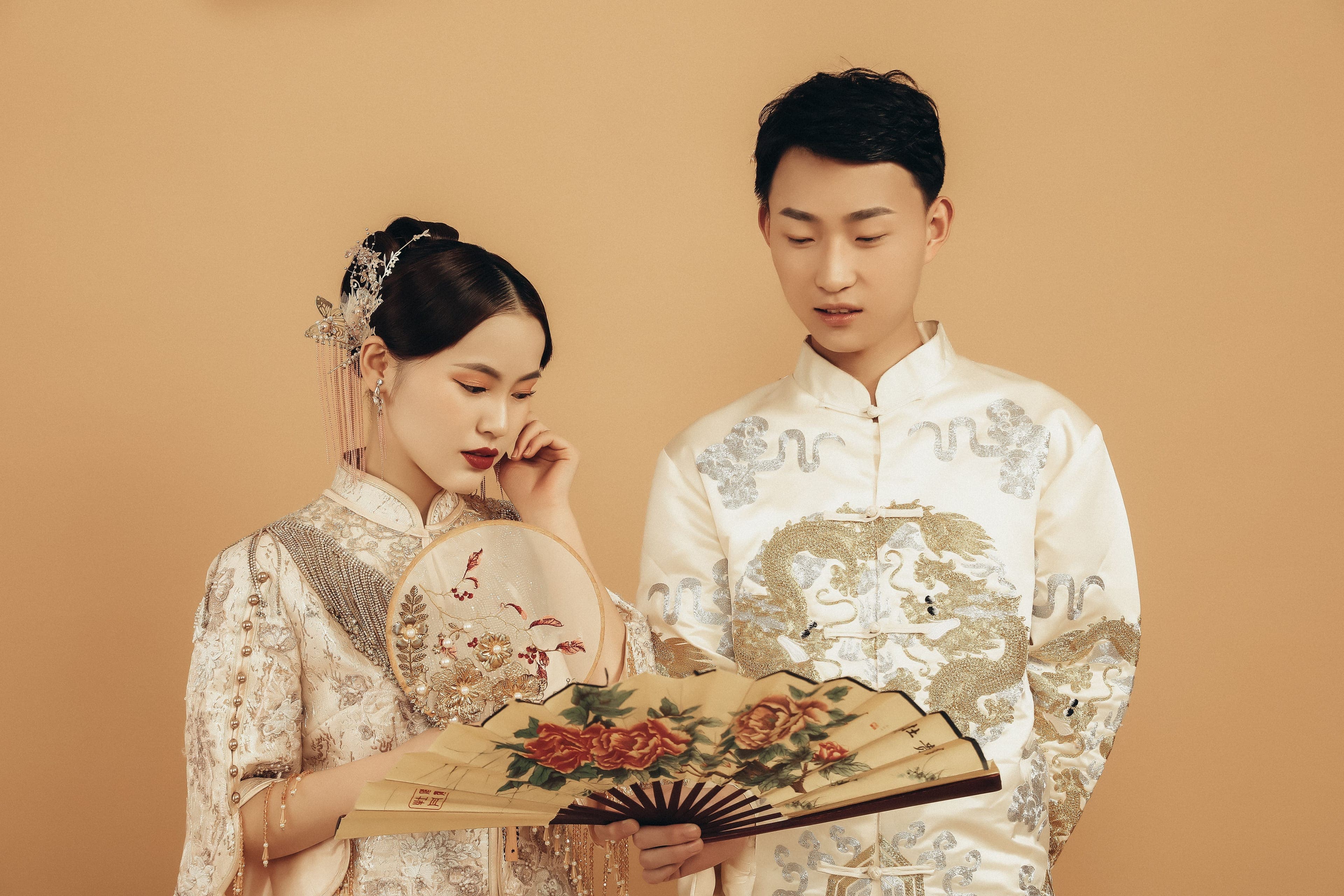
Chinese Wedding: Ancestral Traditions, Tea Ceremonies and Modern Planning
The complete guide to the Chinese wedding: tea ceremony, the symbolism of red and gold, traditional banquet. Plan your wedding with NUPLY vendors.
5 min read
Traditions & Ceremonies
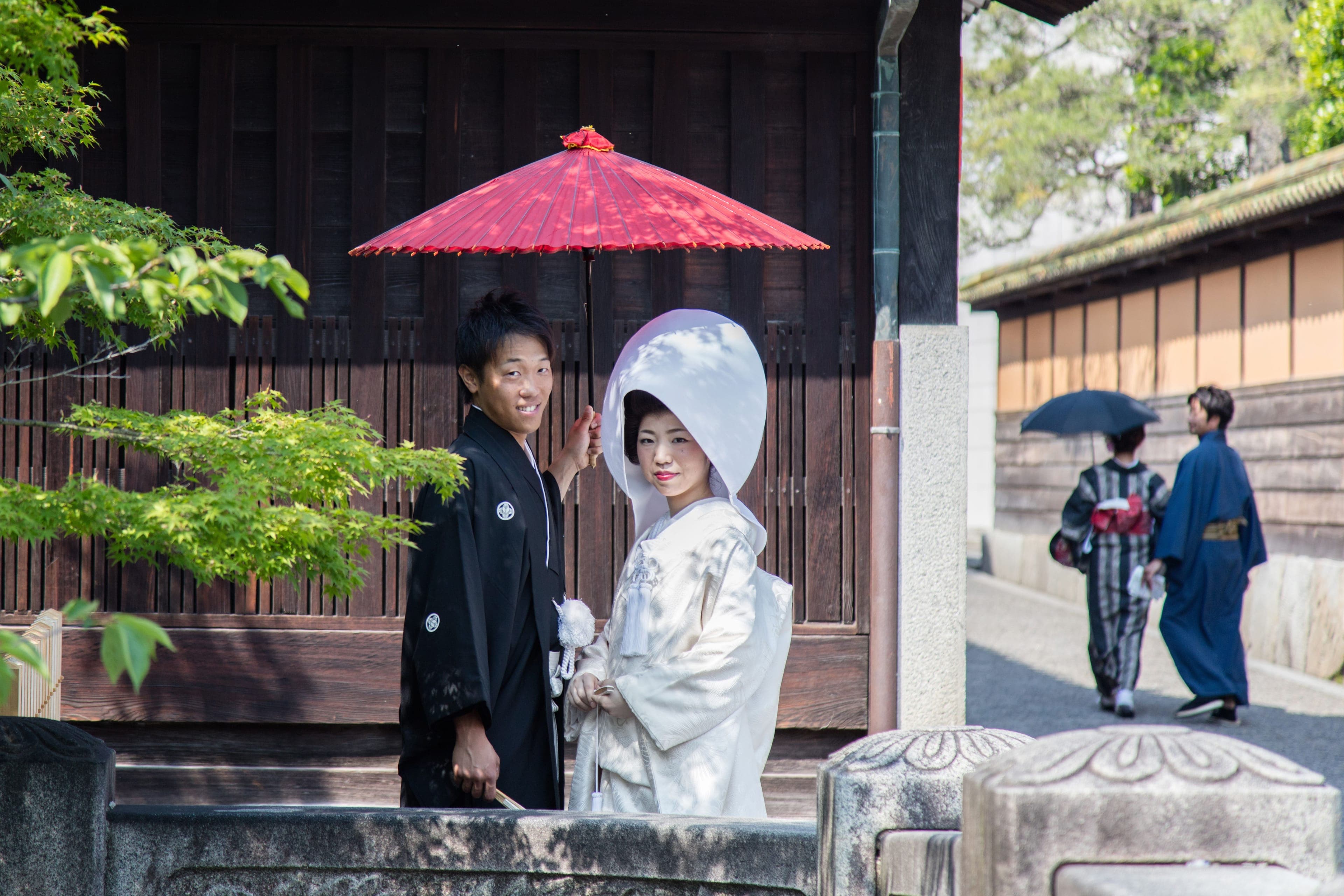
Japanese Wedding: From Shinzen-Shiki to the Banquet, a Guide to Traditions and Ceremonies
Discover the Japanese wedding: the Shinto ceremony (shinzen-shiki), the sake exchange, traditional attire, and how to plan one in France with NUPLY.
4 min read
Traditions & Ceremonies
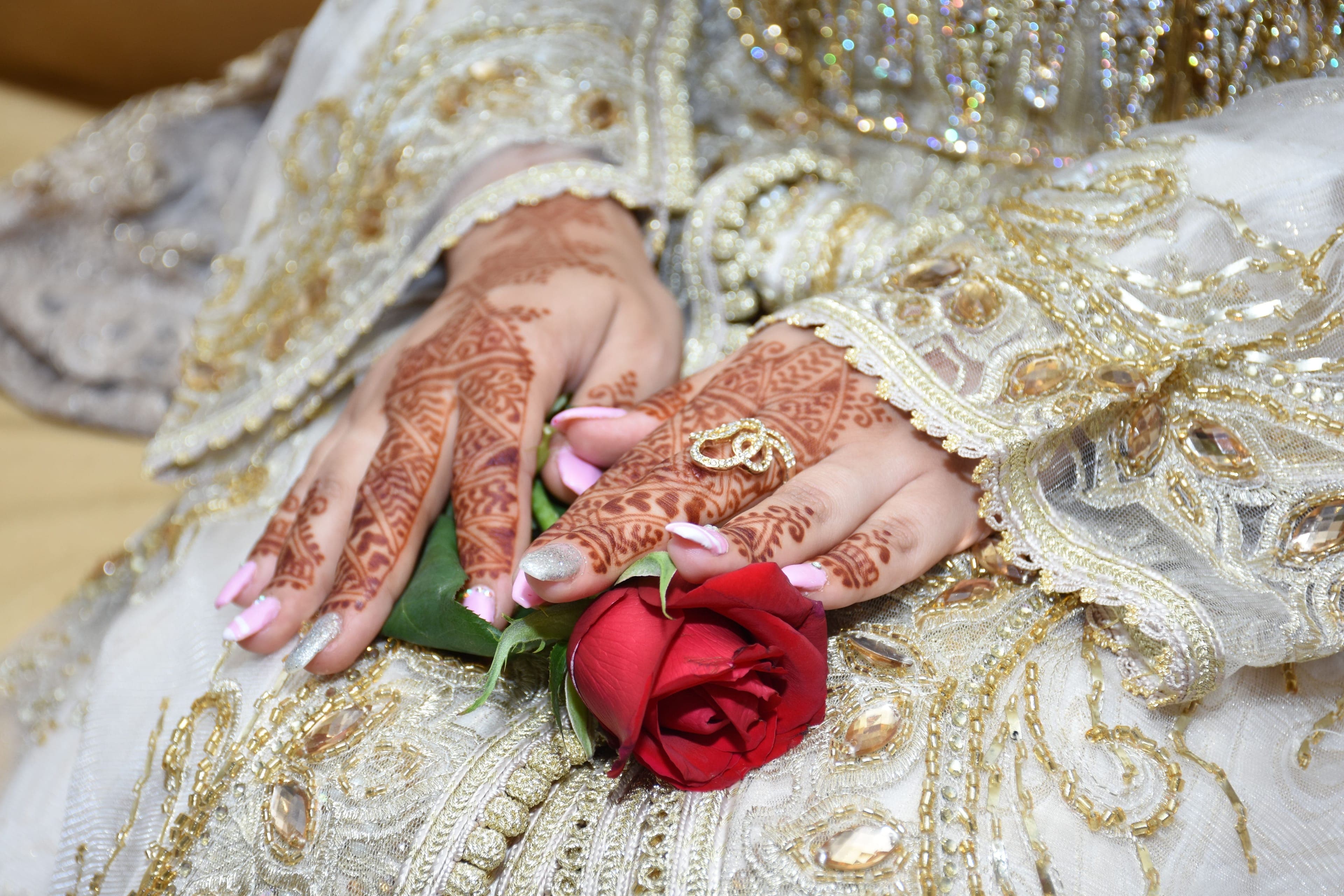
Moroccan Wedding in France: Traditions, Planning, and a Complete Budget
A complete guide to the Moroccan wedding in France: henna, negafa, halal caterer, oriental decor. Traditions, detailed budget, and practical tips.
3 min read