
French-Guinean Wedding in France: Traditions, Dowry and Full Planning
A guide to the Guinean wedding in France: dowry, Islamic nikah, Fula and Mandinka traditions, kora and griot. Detailed budget and specialized vendors in France.
By the NUPLY editorial team4 min read
Contents, 8 sections
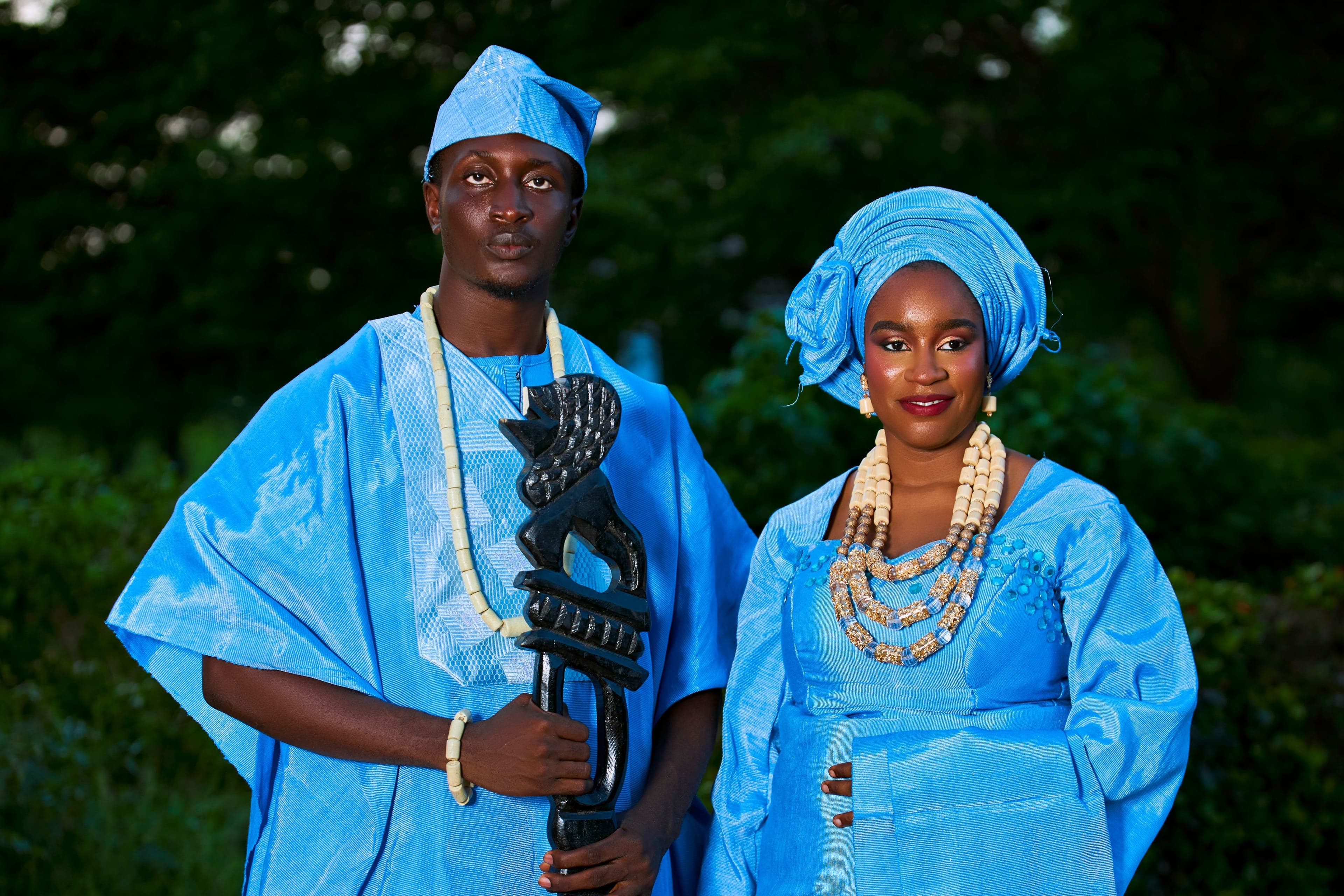
Guinea Conakry is a crossroads of cultures - Fula, Susu, Malinke, Forestier - that produces rich, diverse weddings deeply rooted in tradition. At 85% Muslim, Guinea places the religious ceremony at the heart of the wedding, surrounded by strong family rites. In France, French-Guinean couples carry on these traditions with pride. Here is the complete guide.
1. The stages of the Guinean wedding
- The presentation of the families: the first formal meeting, where the groom's family visits the bride's family bringing gifts (kola, perfumes, fabrics, money). The elders speak. This step is essential - no wedding can begin without it.
- The dowry: the handing over of gifts to the bride's family. Its content and value vary by ethnic group. For Fula families, it is often symbolic but highly codified. For the Susu and Malinke, it can be more elaborate. It generally includes money, gold jewelry, fabrics and provisions.
- The Islamic Nikah: the central ceremony for the majority of Guinean families. The imam blesses the union, recites the Fatiha, and both families bear witness. The bride is often in a separate room, represented by a guardian (wali). The mahr (the groom's gift) is set and announced.
- The main celebration: the wedding evening with a meal, music and dance - often the day after the nikah.
2. Traditions by ethnic group
Guinea is diverse - wedding traditions vary significantly by ethnic group:
- The Fula (Fula): deeply attached to the Islamic faith and to modesty. Fula women wear characteristic solid gold jewelry (large necklaces, earrings, bracelets). Restraint is valued, but the adornments are sumptuous. The wedding often unfolds over two stages: the nikah in the evening, the celebration the next day.
- The Susu: an ethnic group of Conakry, more open to mixed celebrations and modern music. Very festive and welcoming.
- The Malinke (Mandinka): an exceptional musical tradition - kora, balafon, djembe. The griot (djeli) plays a central role: he narrates the history of the two families, sings their praises and creates the link between past and present. His presence is an honor and a gift.
3. Guinean wedding attire
- The embroidered Fula boubou: a grand boubou in voile, silk or rich bazin, embroidered with golden patterns - the bride is often fully veiled during the nikah.
- Fula gold jewelry: essential adornments - large gold necklaces, dangling earrings, bracelets and a forehead brooch. This jewelry is often inherited and carries strong symbolic value.
- The Susu outfit: a dress in wax or brocade, in bright colors, worn during the celebration.
- The gnaka wrapper: a handwoven fabric, worn during traditional ceremonies by the women of the family.
4. The music of the Guinean wedding
- Mandinka music: kora, balafon, djembe - a mesmerizing music that tells thousand-year-old stories. Sekouba Bambino Diallo, Mory Kante or Toumani Diabate resonate at Guinean weddings.
- The role of the griot (djeli): narrator, musician and keeper of family memory, he sings the praises of both families and recounts their lineage. His presence is considered a privilege.
- Susu music and Guinean pop: for the second part of the evening, with a DJ mixing afrobeat, Guinean pop and French music.
5. Guinean cuisine
- Riz gras: rice cooked with meat, tomatoes, onions and spices - the central dish of any Guinean event. Served in large quantities.
- Yassa chicken: chicken marinated in lemon and onions, slowly simmered - much loved throughout West Africa.
- Leaf soup: cassava leaves or other greens with meat and smoked fish - a traditional dish served on major occasions.
- Foufou: pounded cassava or yam dough, served as a side with the sauces - a staple of Guinean cuisine.
- Café touba: coffee spiced with selim pepper and cloves - often served during religious ceremonies and the dowry.
6. Estimated budget for a French-Guinean wedding
- Dowry (value of the gifts): 1,500€ – 6,000€
- Reception hall: 1,500€ – 5,000€
- Guinean cuisine caterer: 40€ – 75€ per person (8,000€ – 15,000€ for 200 guests)
- Griot / Mandinka musicians: 800€ – 3,000€
- Jewelry and attire: 1,000€ – 5,000€
- Photographer / videographer: 800€ – 2,000€
- Decoration: 800€ – 2,500€
Estimated total budget: 14,000€ – 38,000€ for 120 to 180 guests.
7. Finding your vendors on NUPLY
- Guinean and West African cuisine caterers
- Griots and Mandinka musicians based in France
- Photographers: experienced with African weddings and Islamic ceremonies
Use NUPLY's AI matching to find the vendors available in your area, from the Malinke griot to the specialized halal caterer.
In summary
The French-Guinean wedding is a celebration of the soul as much as of the body. From the mesmerizing kora of the Malinke griot to the golden adornments of the Fula bride, by way of riz gras and foufou, every detail carries a story. With NUPLY, bring your Guinean wedding in France to life. Congratulations!
Planning your wedding?
NUPLY brings your budget, guests and vendors together in one place. It's free for couples.
Read next
Traditions & Ceremonies
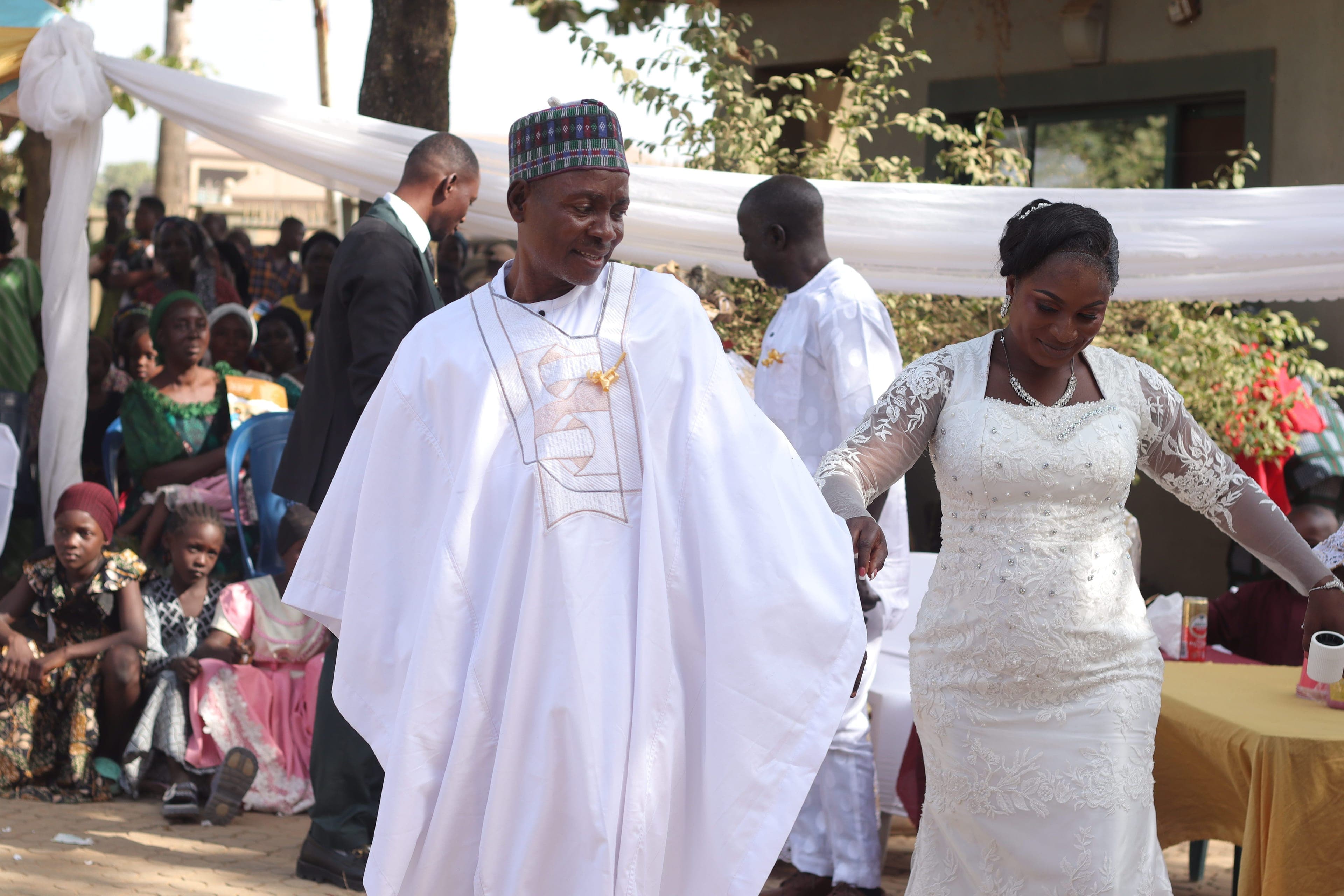
Senegalese Wedding in France: Traditions, Ceremonies and Complete Planning
The complete guide to a Senegalese wedding in France: the Takk ceremony, traditional attire, griot, African caterer. Traditions, budget and specialized vendors.
6 min read
Multicultural weddings
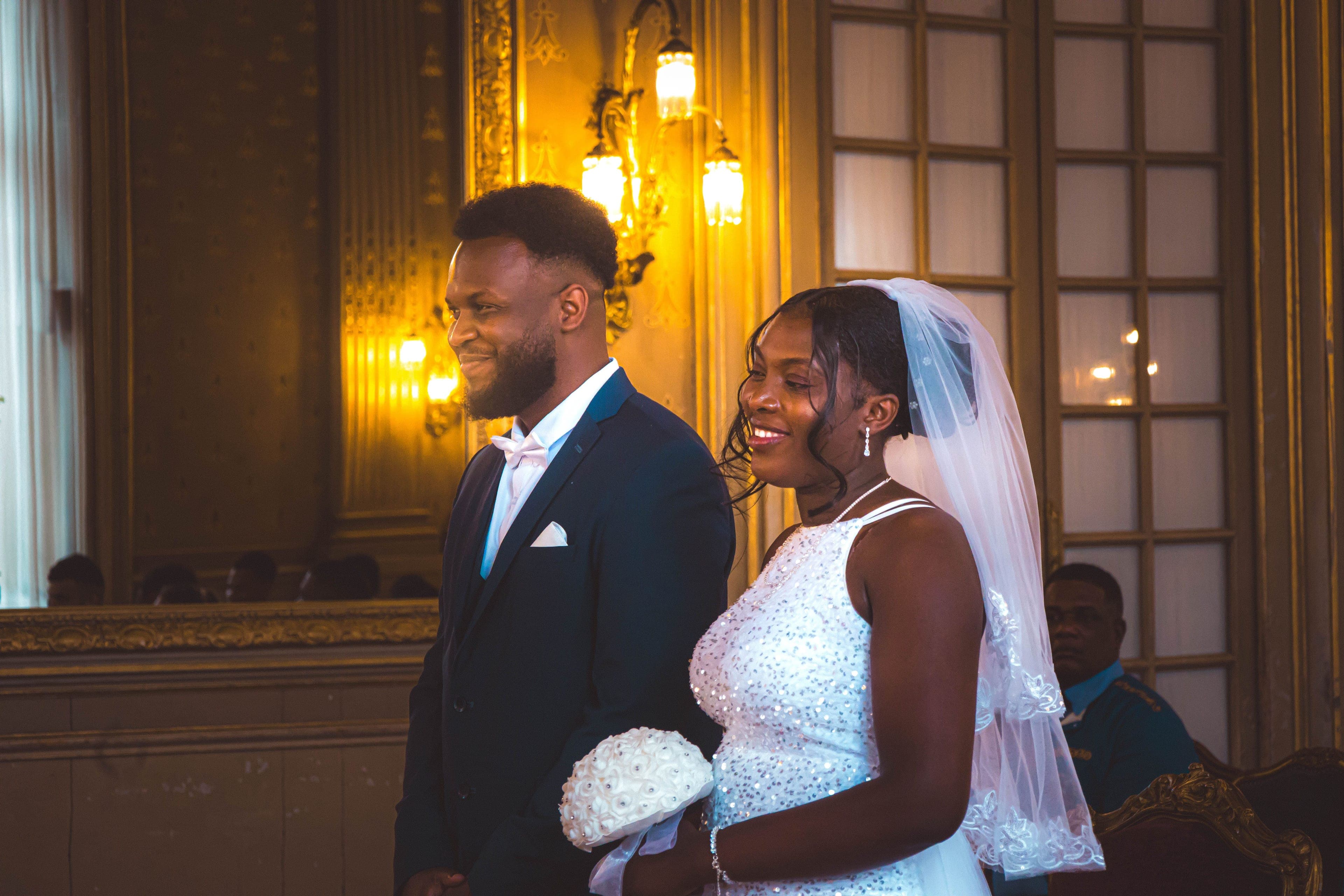
Ivorian Wedding in France: Dowry, Traditions and Complete Organization
The guide to the Ivorian wedding in France: the dowry ceremony, wax fabric, coupé-décalé and cuisine. Traditions, detailed budget and specialized vendors in Île-de-France.
4 min read
Multicultural weddings
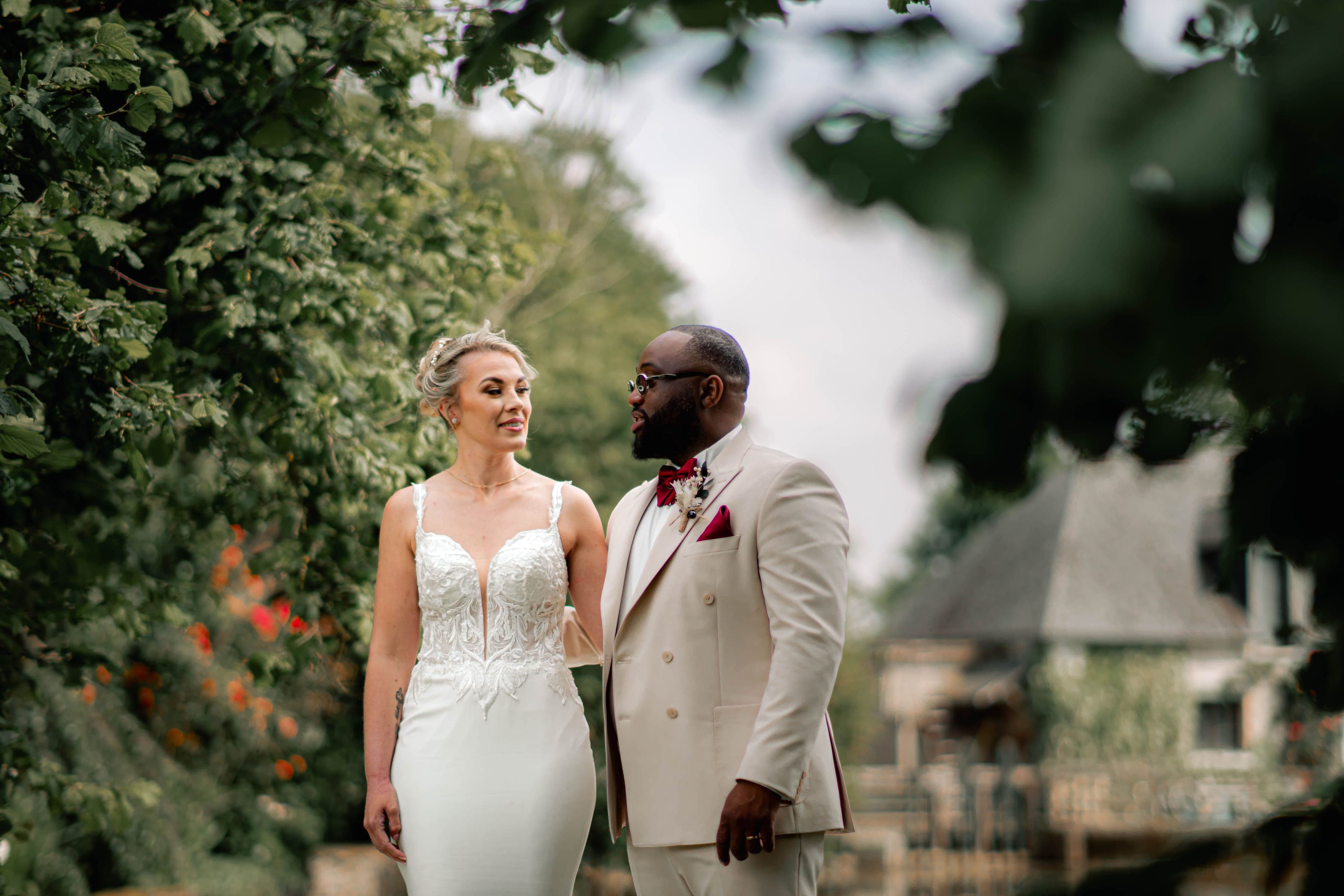
Mixed Wedding: How to Plan a Successful Intercultural Wedding
A practical guide to planning a mixed wedding: blending two cultures, managing the families, choosing vendors, and creating a one-of-a-kind ceremony.
3 min read