
French-Cameroonian Wedding in France: Dowry, Regional Traditions and Planning
A guide to the Cameroonian wedding in France: elaborate dowry, Bamileke ndop, bikutsi, makossa and ndole. Traditions by ethnic group, detailed budget and specialized vendors in France.
By the NUPLY editorial team4 min read
Contents, 8 sections
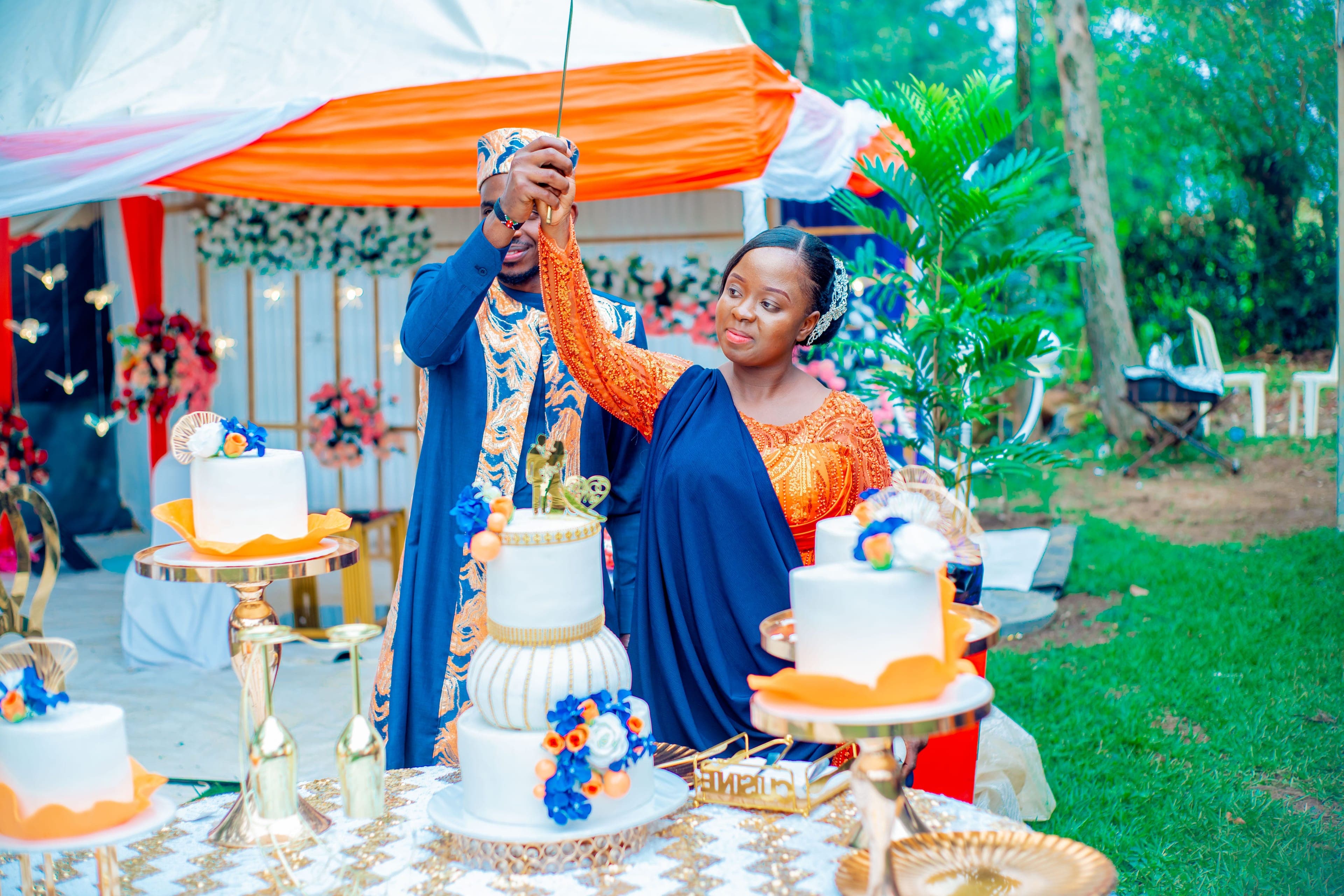
Cameroon, often nicknamed "Africa in miniature," is home to more than 250 ethnic groups and just as many wedding traditions. Bamileke, Beti, Douala, Bassa - each group brings its own rituals, music and cuisine to the celebration. In France, French-Cameroonian couples carry on these traditions with remarkable pride. Here is the complete guide to the Cameroonian wedding in France.
1. The dowry: the founding act of the Cameroonian wedding
In Cameroonian culture, there is no wedding without a dowry. It is a ceremony in its own right, often just as important - if not more so - than the civil or religious wedding.
- The dowry list: drawn up by the bride's family, it may include cases of beer, red wine or whisky, quality wrappers (pagnes), a sum of money in banknotes presented in a briefcase, food in quantity (bags of rice, drums of palm oil, provisions) and clothing for the bride's parents.
- The handing over of the dowry: the appointed representatives of the groom's family (often the uncles) present each item aloud before the assembled gathering. The elders inspect, comment and negotiate symbolically. The atmosphere is at once solemn and festive.
- The presentation of the bride: once the dowry is validated, the bride is symbolically "released" and welcomed into the groom's family. She often enters veiled or with her face hidden, then reveals herself amid youyous and applause.
In France, the dowry is generally held the day before or the morning of the wedding, in a privatized restaurant or at a family member's home.
2. Cameroonian regional traditions
Cameroon is so diverse that traditions vary greatly by ethnic group:
- The Bamileke: known for their extravagant weddings and their sense of celebration. The Ndop fabric (indigo blue with white geometric patterns) is their signature. The Assiko dance sets the rhythm of the customary ceremony. Traditional masks and chiefdoms are present at the major celebrations.
- The Beti (Bulu, Fang, Ewondo): known for the Bikutsi, a fiery rhythm played on xylophones and percussion. The pleated dress of the Beti bride is emblematic - voluminous and embroidered, in vivid colors.
- The coastal peoples (Douala, Bassa): Makossa, invented in Douala and popularized by Manu Dibango, is their musical signature. The ceremonies are often very urban and blend tradition and modernity.
- The Anglophones (Bamenda, Buea): traditions close to those of neighboring Nigeria, with coordinated aso-ebi outfits for guests.
3. Cameroonian wedding attire
- The Bamileke Ndop: royal-blue fabric with white patterns, worn as a boubou, dress or ensemble - a royal symbol of the Cameroonian Grassland. Rare and precious.
- The Beti pleated dress: a voluminous embroidered dress in bright colors, worn during the customary ceremony - very recognizable.
- The coordinated wax wrapper: the women of each side wear the same fabric to mark their family affiliation.
- The groom's suit or grand boubou: depending on the moment and ethnic group - from the classic three-piece suit to the embroidered grand boubou for the customary ceremony.
4. The music of the Cameroonian wedding
- Bikutsi: a Beti rhythm with fast percussion and xylophones - it gets an entire room on its feet in seconds. Charlotte Dipanda and Sergeo Polo are modern references.
- Makossa: music from Douala (Manu Dibango, Richard Bona), very danceable - ideal for the main evening.
- Assiko: a Bamileke dance driven by percussion, often performed during the customary ceremony.
- Afrobeat and Cameroonian pop: to please every generation and the French guests.
5. The cuisine of the Cameroonian wedding
- Ndole: the national dish par excellence - ndole leaves (slightly bitter) cooked with smoked shrimp, peanuts and meat or fish. It is impossible to have a Cameroonian wedding without it.
- Poulet DG: "Directeur General" - sautéed chicken with vegetables and fried plantains. A prestige dish served on major occasions.
- Eru: finely chopped bush leaves, simmered with palm oil, water fufu and smoked fish - a specialty of the South-West regions.
- Koki: seasoned beans, steamed in banana leaves - a traditional and much-loved side dish.
- Corn porridge and fritters: served during dowry ceremonies or as appetizers.
6. Estimated budget for a French-Cameroonian wedding
- Dowry ceremony (total value): 2,000€ – 8,000€
- Civil + religious wedding: 500€ – 2,000€
- Reception hall: 2,000€ – 6,000€
- Cameroonian cuisine caterer: 50€ – 85€ per person (10,000€ – 17,000€ for 200 guests)
- DJ / band: 800€ – 2,500€
- Attire and wrappers: 1,000€ – 4,000€
- Photographer / videographer: 1,000€ – 2,500€
- Decoration: 1,000€ – 3,000€
Estimated total budget: 18,000€ – 43,000€ for 150 to 200 guests.
7. Finding your vendors on NUPLY
NUPLY makes it easy to connect with vendors who specialize in Cameroonian weddings:
- Cameroonian caterers: authentic ndole, poulet DG, eru and koki
- DJs specialized in bikutsi, makossa and afrobeat
- Photographers: experienced with dowry ceremonies and Grassland traditions
Use NUPLY's AI matching to find the ideal vendors for your Cameroonian wedding in France.
In summary
The French-Cameroonian wedding is a multifaceted celebration: an elaborate dowry, blazing bikutsi, generous ndole and sumptuous attire. In France, the diaspora carries on these traditions with contagious pride. With NUPLY, find the vendors who will make your wedding a memorable event. Congratulations!
Planning your wedding?
NUPLY brings your budget, guests and vendors together in one place. It's free for couples.
Read next
Multicultural weddings
Ivorian Wedding in France: Dowry, Traditions and Complete Organization
The guide to the Ivorian wedding in France: the dowry ceremony, wax fabric, coupé-décalé and cuisine. Traditions, detailed budget and specialized vendors in Île-de-France.
4 min read
Traditions & Ceremonies
Senegalese Wedding in France: Traditions, Ceremonies and Complete Planning
The complete guide to a Senegalese wedding in France: the Takk ceremony, traditional attire, griot, African caterer. Traditions, budget and specialized vendors.
6 min read
Multicultural weddings
Mixed Wedding: How to Plan a Successful Intercultural Wedding
A practical guide to planning a mixed wedding: blending two cultures, managing the families, choosing vendors, and creating a one-of-a-kind ceremony.
3 min read