
Christian Wedding: The Complete Guide to Planning an Unforgettable Religious Ceremony
Discover the steps, traditions and practical tips for preparing your Christian wedding (Catholic, Protestant, Orthodox). Find the right vendors with NUPLY.
By the NUPLY editorial team5 min read
Contents, 8 sections
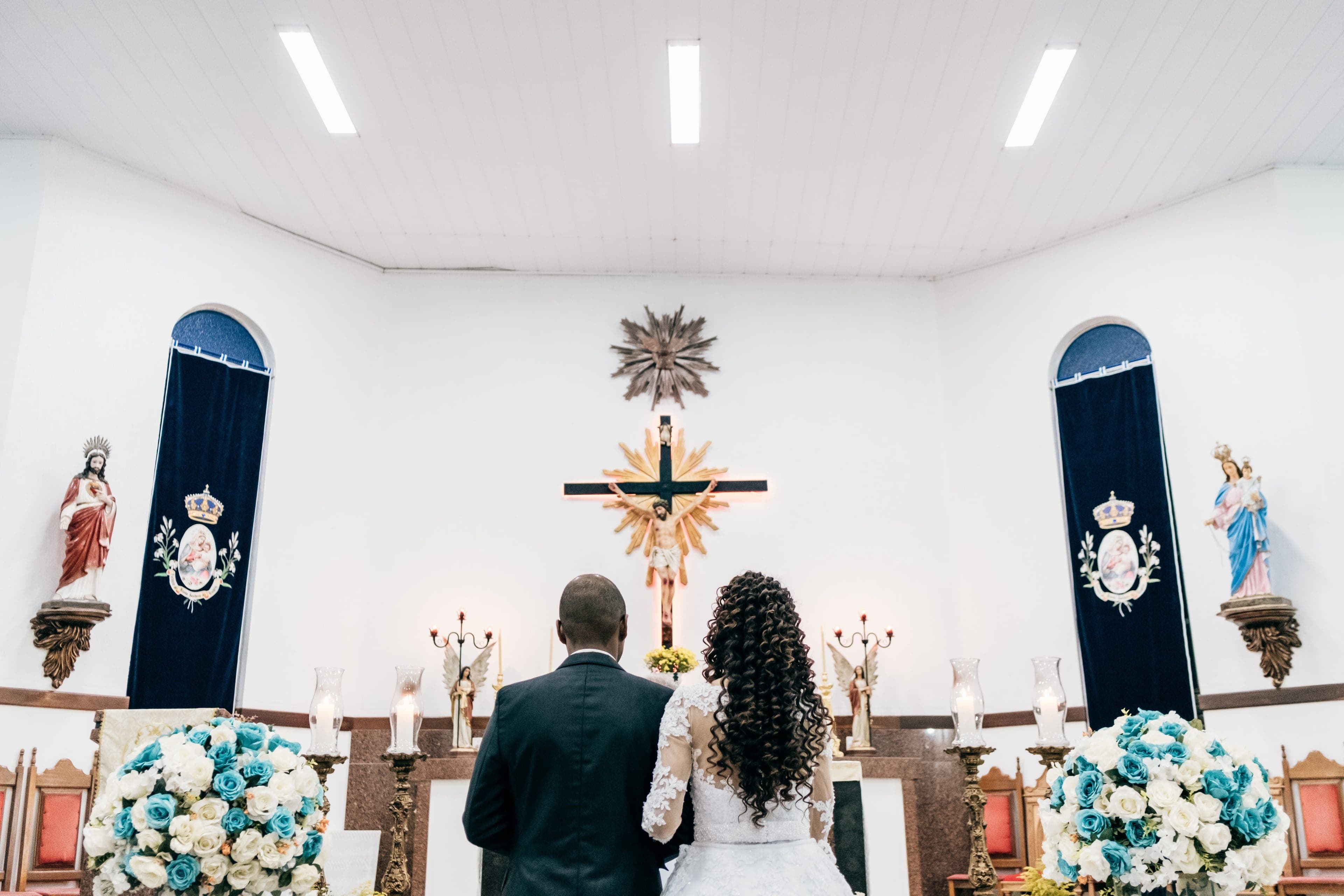
A Christian wedding is far more than a party: it is a sacrament, a commitment before God and before the community. Whether you are Catholic, Protestant or Orthodox, the religious ceremony is the heart of your union. Here is everything you need to know to plan a Christian wedding that reflects your faith and your love.
1. The foundations of the Christian wedding
In the Christian tradition, marriage is regarded as a sacred covenant. It rests on three fundamental pillars:
- Indissolubility: marriage is a lifelong commitment, "what God has joined together, let no one separate" (Matthew 19:6)
- Fidelity: the spouses promise each other an exclusive and sincere love
- Openness to life: the couple commits to welcoming children as a gift from God
Depending on the denomination, certain nuances exist. The Catholic marriage is a sacrament administered by the spouses themselves before the priest. Among Protestants, it is a divine blessing of the couple. In Orthodoxy, it is the crowning of the spouses, a symbol of their union with Christ.
2. Preparing for a Catholic wedding
In France, preparation for a Catholic wedding usually begins 10 to 12 months before the date. Here are the essential steps:
- Contacting the parish: make an appointment with the priest of your parish as soon as possible. Church slots are limited, especially in high season (May to September)
- Marriage preparation (CPM): 4 to 6 sessions with other couples and a mentor couple. Topics include communication, conflict resolution, faith and openness to life
- Assembling the file: baptism certificates less than 6 months old, civil marriage certificate (the civil marriage must precede the religious one in France), and the banns publication form
- Choosing the readings and songs: you generally select two biblical readings, a psalm and a gospel with the priest's help
- Rehearsal: a rehearsal is held at the church a few days before the wedding
3. How the ceremony unfolds
A Catholic wedding Mass lasts about 1 hour (45 minutes without the Eucharist). Here are the key moments:
- The entrance into the church: the procession enters to the sound of the organ or a hymn. The bride is traditionally accompanied by her father
- The Liturgy of the Word: biblical readings chosen by the couple, a sung psalm, and the priest's homily
- The exchange of vows: the most solemn moment. The spouses declare to one another, "I take you as my husband/wife and I give myself to you"
- The blessing and exchange of rings: the priest blesses the rings, symbols of the eternal covenant
- The Prayer of the Faithful: prayer intentions read by loved ones
- The nuptial blessing: a solemn prayer over the couple
- The signing of the registers: the spouses and witnesses sign the parish register
- The exit: traditionally through a guard of honor, with a shower of petals or rice
4. What sets a Protestant wedding apart
The Protestant wedding, or blessing service, has a few differences:
- No sacrament: the wedding is a blessing, not a sacrament. The civil marriage is sufficient in the eyes of the Church
- More freedom: the couple has greater latitude in choosing texts, songs and the flow of the service
- Shorter preparation: generally 3 to 4 meetings with the pastor
- The temple: the ceremony can take place in a temple, but also outdoors or in an unconventional setting
- Testimonies: it is common for loved ones to speak during the ceremony to share a testimony
5. The Orthodox wedding: the crowning
The Orthodox wedding is one of the most visually and symbolically rich ceremonies:
- The betrothal: the exchange of rings at the start of the ceremony, blessed by the priest
- The crowning: crowns (stephana) are placed on the heads of the spouses, symbolizing their union with Christ and their reign over their household
- The cup of wine: the spouses drink from the same cup, recalling the wedding at Cana
- The Dance of Isaiah: crowned, the couple walks three times around the altar, symbolizing their first journey together
- Duration: the ceremony lasts about 1 hour to 1 hour 30
- No mixed marriage without permission: a marriage to a non-Orthodox spouse requires a dispensation from the bishop
6. Choosing the right vendors for a Christian wedding
A religious wedding calls for vendors who understand the codes and rhythm of the ceremony:
- Photographer: they must know how the Mass unfolds in order to capture the key moments without being intrusive. Some parishes impose restrictions (no flash, off-limits areas)
- Florist: the church decoration (pew ends, altar, entrance) must respect the rules of the place of worship
- Musicians / organist: an organist or a gospel choir can elevate the ceremony. Check with the priest what is allowed
- Caterer: if the ceremony flows straight into the reception, timing is crucial. The caterer must adapt to the schedule
On NUPLY, you can filter vendors by cultural and religious experience. Our Nuply Matching algorithm automatically identifies professionals who are used to Christian weddings in your area, whether photographers respectful of the liturgical setting, florists specialized in church decoration, or caterers who master the timing of a religious ceremony.
7. Budget and practical tips
A few budget items specific to the Christian wedding:
- Offering to the parish: between 150 € and 500 € depending on the parish (this is not a fixed rate but a voluntary contribution)
- Organist: between 200 € and 500 € depending on the duration and repertoire
- Floral decoration of the church: between 300 € and 1,500 € depending on scale
- Mass booklet: between 100 € and 300 € for printing (or free as a digital version)
With the NUPLY Budget module, you can create a dedicated "Religious ceremony" category to track these specific expenses and stay in control of your overall budget.
In summary
The Christian wedding is a moment of grace and joy that calls for both spiritual and logistical preparation. Whatever your denomination, the essential thing is to live this day as a true commitment of faith and love. With NUPLY, you will find the vendors who will honor the solemnity of your ceremony while creating a celebration that is truly yours.
Planning your wedding?
NUPLY brings your budget, guests and vendors together in one place. It's free for couples.
Read next
Traditions & Ceremonies
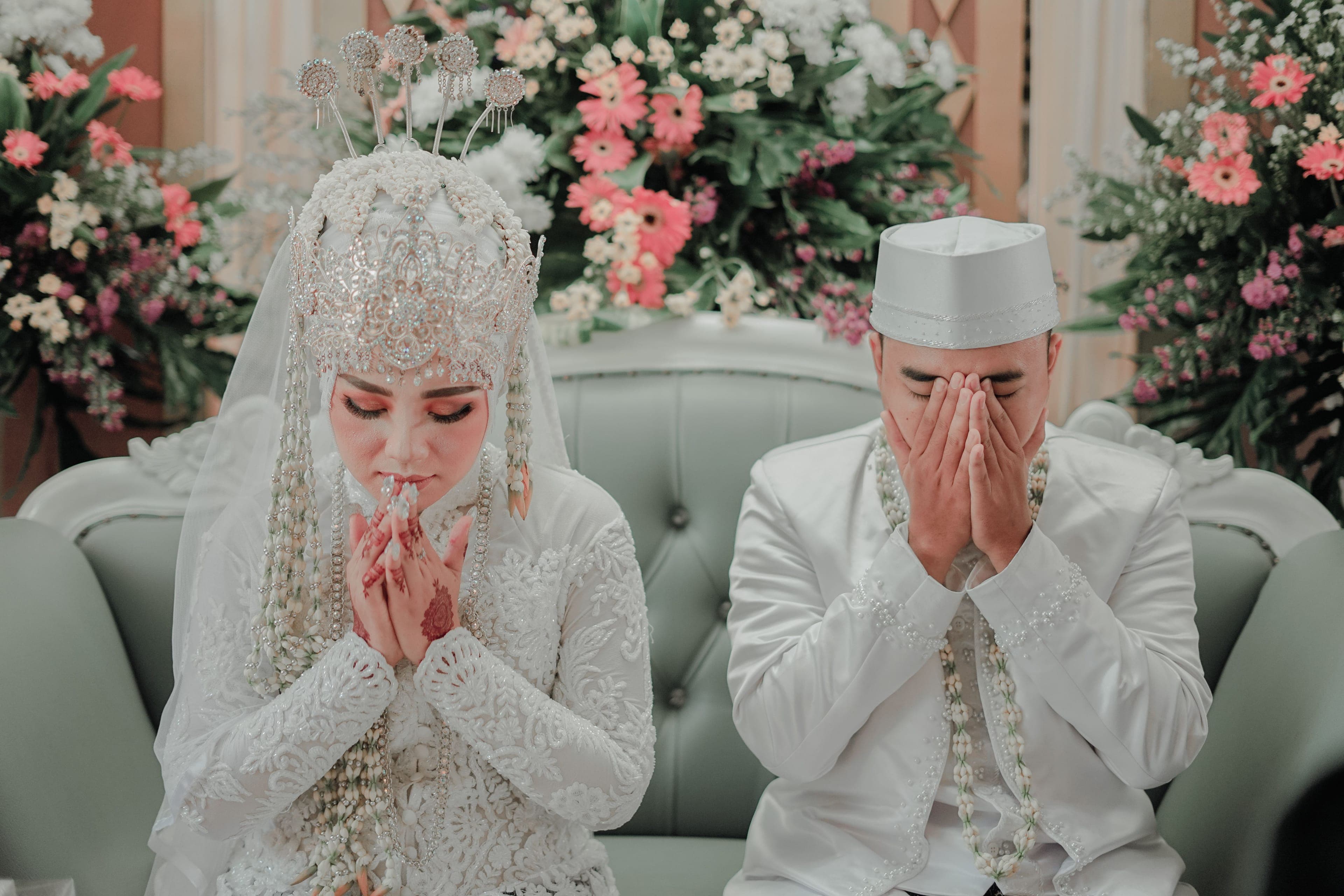
Muslim Wedding: Traditions, Stages, and Planning from the Nikah to the Walima
Everything you need to know about the Muslim wedding: the nikah, the mahr, the walima, cultural traditions, and how NUPLY helps you find halal and experienced vendors.
5 min read
Traditions & Ceremonies
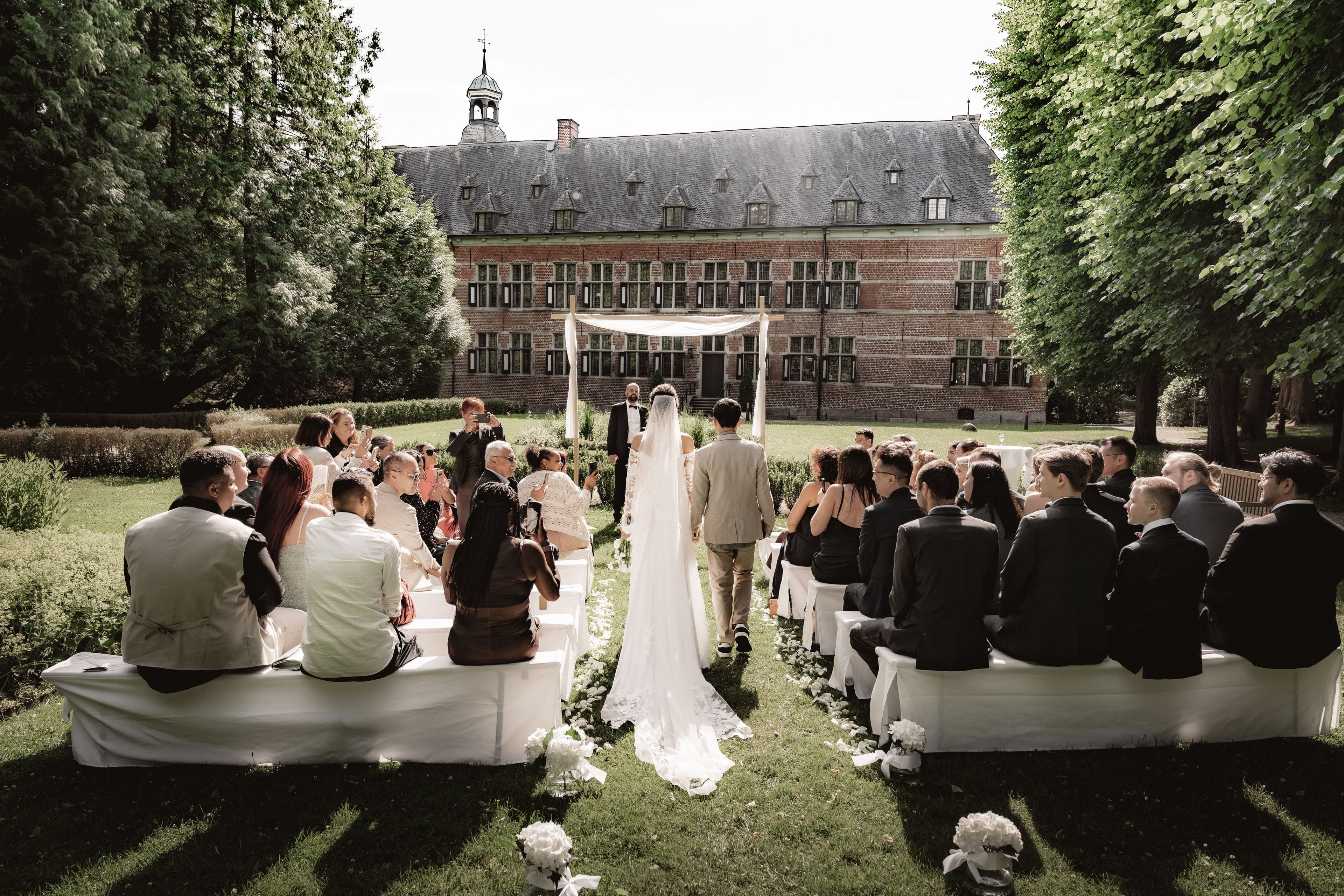
Jewish Wedding: From the Chuppah to the Hora, a Guide to Ceremonies and Traditions
Everything you need to know about the Jewish wedding: the chuppah, the ketubah, the seven blessings, the breaking of the glass, and more. Find your kosher vendors with NUPLY.
6 min read
Multicultural weddings
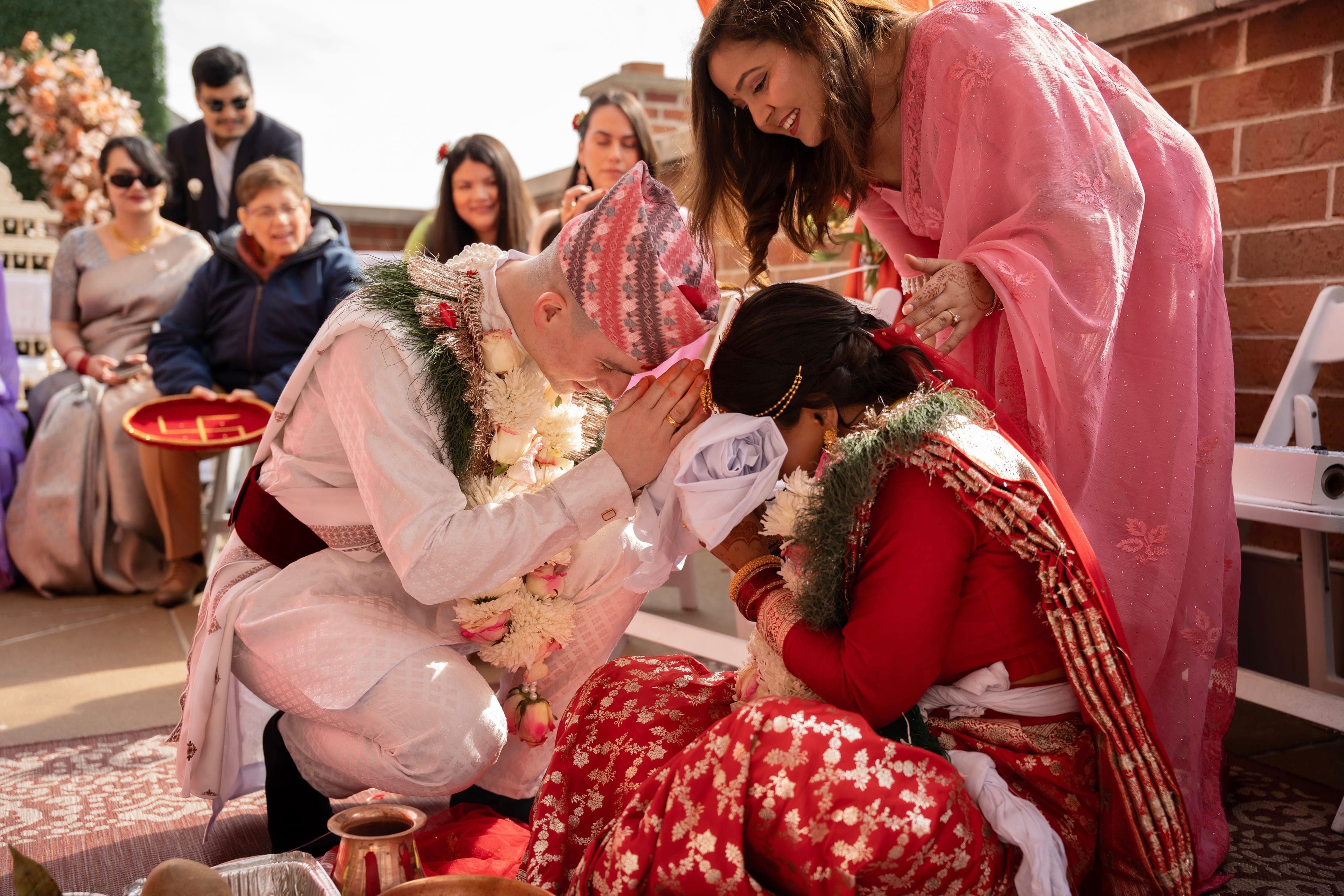
Multicultural Wedding: How to Blend Two Traditions Into a Single Celebration
Discover our tips for a successful wedding that blends two cultures, from the ceremony to the meal, by way of the attire and the music.
3 min read